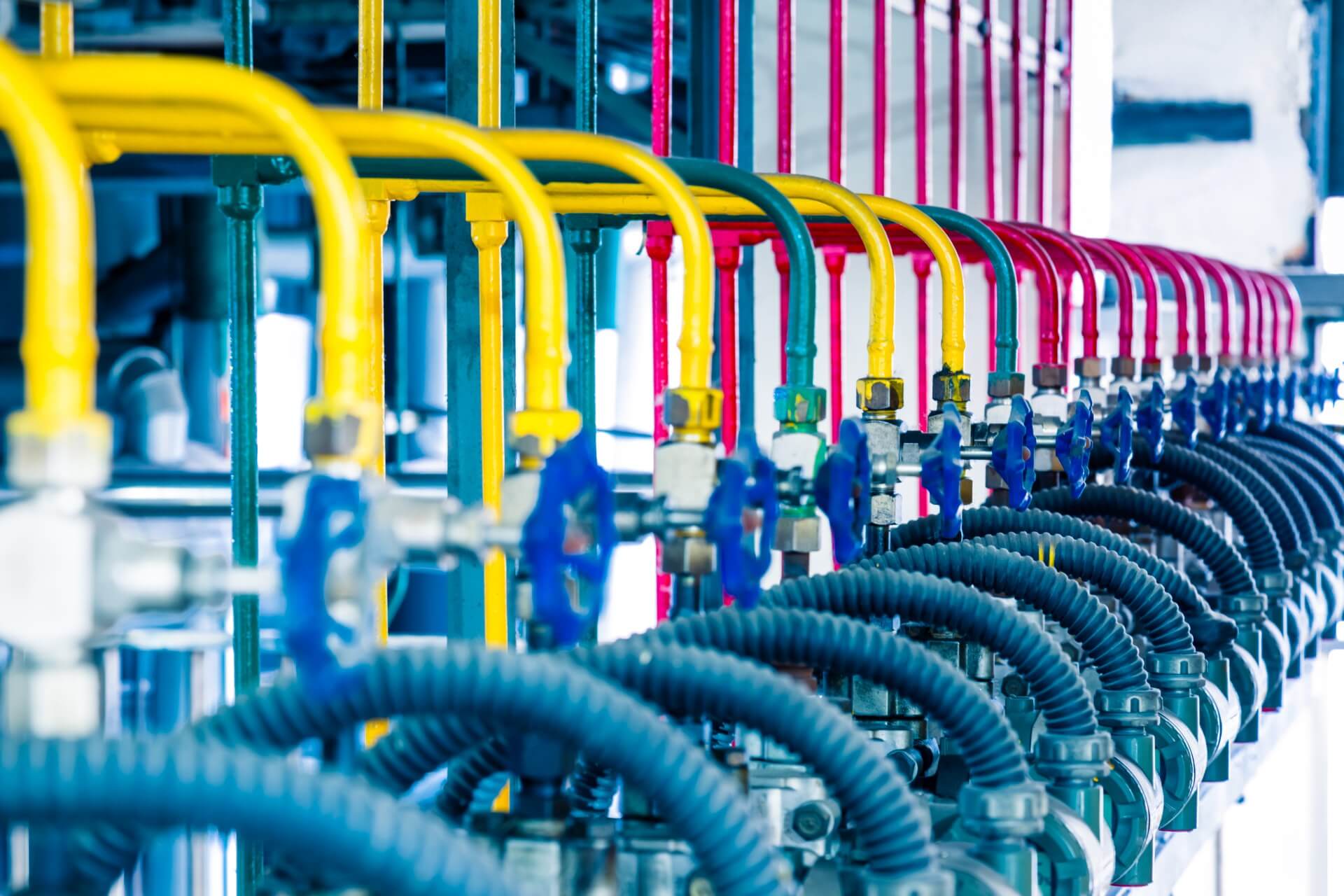
Compressed Air, Elevated to Strategic Infrastructure
Compressed air is no longer a machine decision — it is strategic energy infrastructure. CpaS delivers Air as a Service with centralized production, measurable distribution, and 24/7 SCADA transparency.
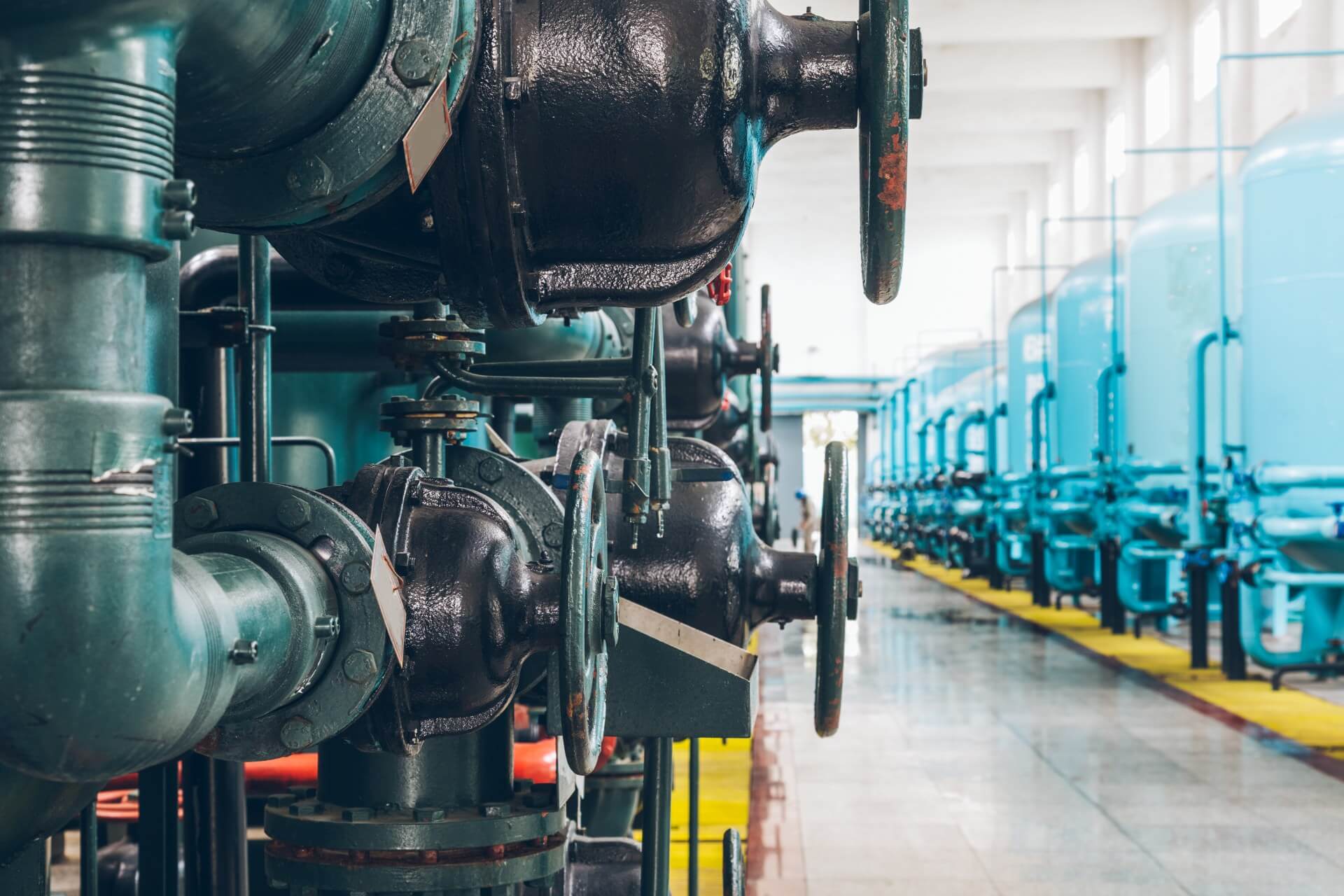
A Utility Model That Removes CapEx Burden
Central production and distribution, engineered and operated by specialists. Pay-as-you-use metering brings transparency, predictable OpEx, and factory-level CapEx relief.
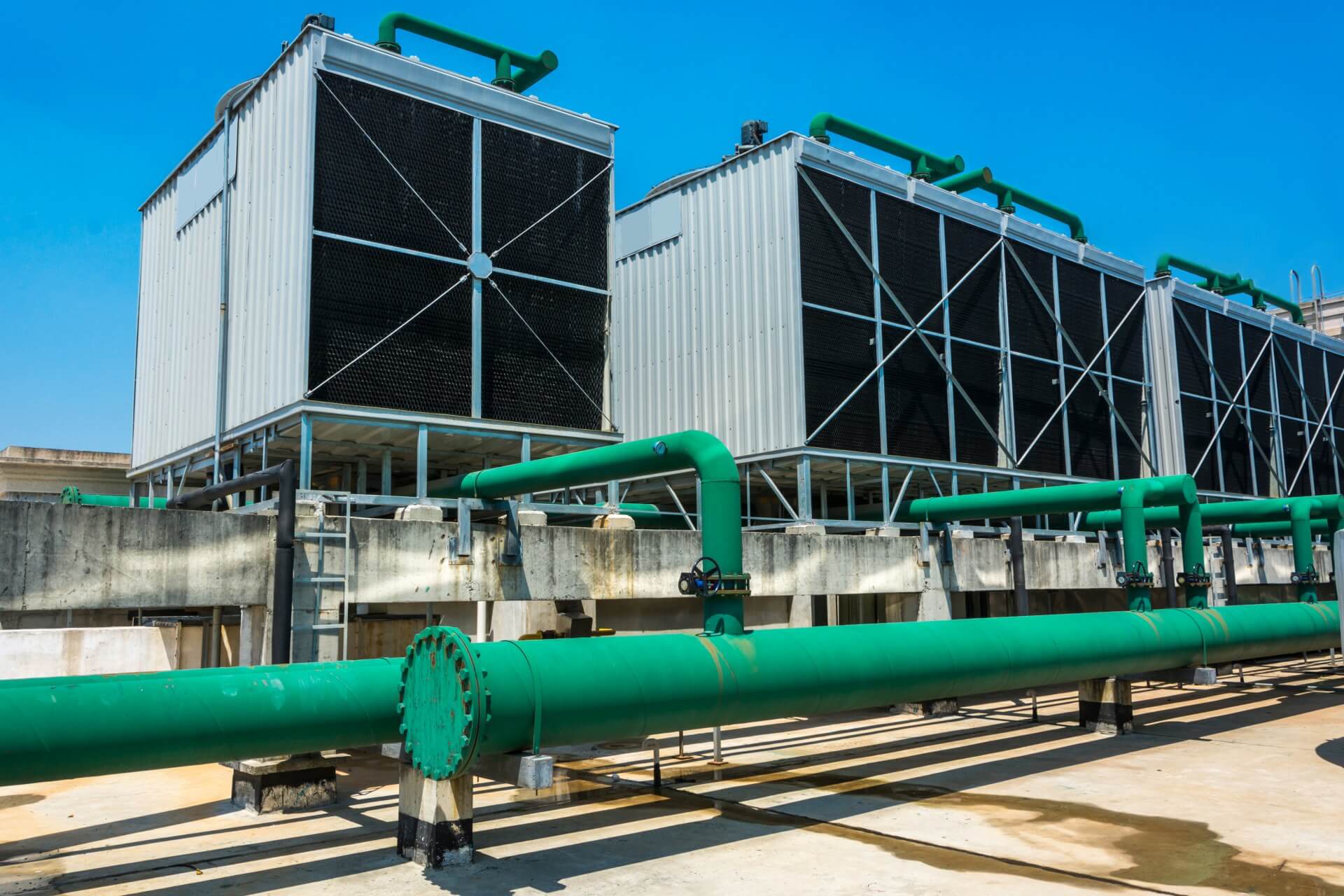
SCADA Visibility. Engineered Redundancy.
24/7 SCADA monitoring, Class 0 oil-free air quality, and N+1 / N+2 redundancy to support operational continuity across the network.
The Hidden Cost of Decentralized Compressor Rooms
Traditional setups are fragmented, energy-inefficient, and difficult to govern at factory scale.

CENTRALIZED COMPRESSED AIR REDUCES BOTH OPERATING AND EXPORT COSTS!
With its centralized system model for Class 0 oil-free air, CpaS eliminates the need for businesses to carry their own compressor load.
This delivers at least a 30% reduction in compressor-related electricity consumption and at least a 30% improvement in carbon emissions driven by compressor electricity use. Considering that 60% of a manufacturing facility’s billed electricity consumption is typically compressor-related, you can gain at least 40% on your total electricity cost—together with carbon taxes.
CpaS: Air as a Service
A centralized compressed air utility designed as an engineered energy system—built, operated and optimized for measurable performance.
A centralized compressed air utility designed as an engineered energy system—built, operated and optimized for measurable performance.

- Each factory owns and maintains compressors
- CapEx-driven upgrades and replacement cycles
- Limited monitoring, manual optimization
- Quality and continuity depend on local setup
- Central utility operated by specialists
- No factory-level CapEx burden
- SCADA visibility with continuous optimization
- Designed redundancy for operational continuity
Key Benefits
Premium air quality, measurable performance, and a business model aligned with operational continuity.
Technology Built for System-Level Performance
CpaS is engineered as a controlled energy infrastructure, not a collection of machines.
- Turbo compressor-based high-efficiency architecture
- Multi-stage compression with optimized thermodynamics
- Pressure optimization to reduce waste and leakage impact
- Optimized load management for stable operating points
- Central engineering approach for standardization and governance
- Designed for scalability across industrial zones

Monitoring & SCADA Transparency
Measure, control and improve performance in real time—across the entire network.
- 24/7 SCADA monitoring and event visibility
- Flow, pressure, dew point, energy and quality indicators
- Metering and billing transparency per connection point
- Alarm management and audit-ready operational logs
- AI-assisted optimization capabilities for continuous improvement

Decentralized vs. CpaS Central System
A clear advantage matrix focused on energy, reliability, and governance.
| Criteria | Decentralized system | CpaS central system |
|---|---|---|
| Energy consumption | Higher, variable | Lower, optimized |
| CapEx | Factory-funded | No factory-level CapEx |
| Air quality | Mixed standards | Class 0 oil-free |
| Downtime risk | Higher, limited redundancy | Lower, N+1 / N+2 |
| Maintenance complexity | High, fragmented | Managed centrally |
| Carbon emissions | Higher, inconsistent | Lower, system-level gains |
How It Works
From engineering to billing—one integrated lifecycle.

Sustainability by Design
Efficiency is the fastest path to decarbonization. CpaS reduces emissions through measurable system performance and responsible operations.
- Up to 25–35% lower carbon footprint through reduced energy intensity
- Optimized pressure and leakage management to reduce unnecessary consumption
- Supports efficiency programs aligned with EU sustainability goals without exaggerated claims
- Transparent metering and reporting for accountability and continuous improvement

Services
An integrated delivery model—engineering to operations.
Let’s Build the Future of Industrial Air Infrastructure
Talk to our team about a centralized, measurable compressed air utility for your industrial zone or factory cluster.
Request a Meeting
Share your context and we’ll follow up to discuss feasibility, sizing and next steps.